5 Symptom dimensions in Schizophrenia
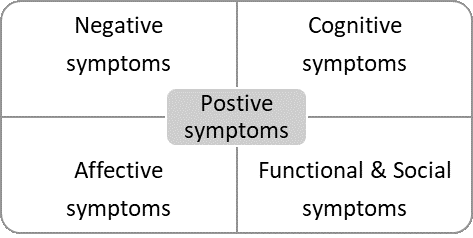
Schizophrenia is a heterogeneous condition with symptoms affecting different domains.
- Positive symptoms
- Negative symptoms
- Affective symptoms
- Cognitive symptoms
- Functional and social symptoms
Bleuler's 4 As (Described by Eugene Bleuler)
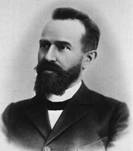
- Autism
- Ambivalence
- Association loss
- Affective flattening
First rank symptoms (Described by Kurt Schneider)
Auditory phenomena:
- First person auditory hallucination
- Second person auditory hallucination (command and commentary type)
- Third person auditory hallucination
Made phenomena:
- Made impulse
- Made volition
- Made affect
Thought Phenomena:
- Thought insertion
- Thought broadcast
- Thought withdrawal
Somatic passivity (Delusion of control)
Primary delusional experience (Autochthonous delusions):
- Delusional idea
- Delusional memory
- Delusional perception
- Delusional mood
Negative symptoms
- Apathy
- Avolition
- Affective flattening
- Anhedonia
- Attention deficit
- Alogia (Poverty of thinking or poverty of speech)
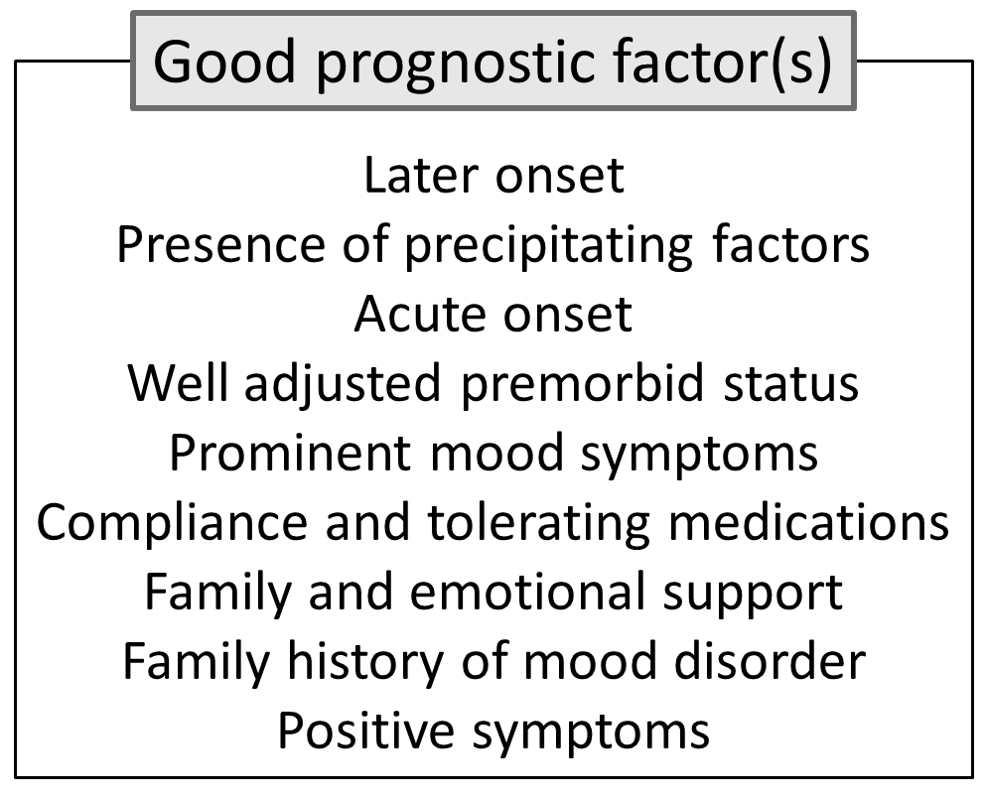
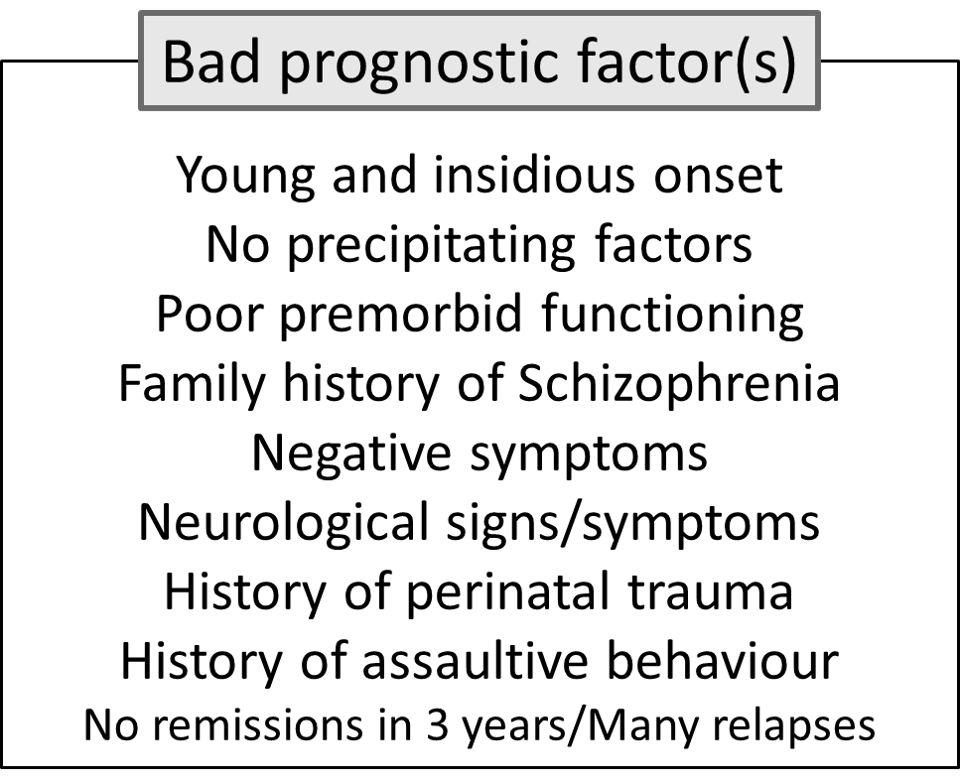
Prognostic factors of Schizophrenia
Catatonic symptoms
Psychological pillow:
Abnormal sustained posture of the head raised from the bed in the absence of a pillow.
Automatic obedience:
Extreme obedience to instruction despite potential discomfort.
Waxy flexibility (Cerea Flexibitalis):
Waxy consistency or resistance to movements and an ability to be moulded to any posture, even if uncomfortable.
Mitmachen:
Minimal resistance to a person being place in an uncomfortable posture and remaining in the same posture despite no instruction to sustain.
Mitgehen (Angelpoise lamp):
Extreme cooperation to the examiner despite the instruction of no necessity to co-operate.
Gegenhalten:
Proportional resistance to the examiners force in moving the limb.
Paraphernia
- Paraphrenia is late-onset psychosis
- Described by Emil Kraepelin
- Characterized by:
- Onset >65 years
- More common in women
- Premorbid schizoid or paranoid personality traits
- Family history of schizophrenia is commonly present
- Predominantly paranoid delusions and auditory hallucinations
- Sensory impairments, if any, worsen the psychotic symptoms
- Generally good prognosis
Persistent Delusional Disorder
- Paranoid disorder was the older name of this condition
- Persistent delusions for a duration of 3 months or more
- Common delusions include:
- Paranoid delusions
- Delusions of grandeur
- Delusions of jealousy (infidelity)
- Somatic (hypochondriacal) delusions
- Erotomanic delusions (delusions of love)
It is usually a chronic and stable illness, with well systematized delusions of non-bizarre nature. Despite the symptom, most of these individuals overall functioning and vegetative symptoms are unaffected.
Antipsychotics are the main stay of treatment, but compliance with medications remain a significant challenge due to lack of insight.
Management of Schizophrenia
- Pharmacological interventions
- Psychological interventions
- Rehabilitation interventions
- Need for inpatient care
- Role of ECTs
Important points to remember:
- Clozapine is the gold standard antipsychotic, but is not the first antipsychotic to be used. Clozapine is considered after the failure of atleast two antipsychotics tried for adequate duration (minimum 6 weeks)
- Antipsychotics in general are more effective against positive and affective symptoms compared to the negative and cognitive symptoms.
- 1-2 years is the duration of treatment for first episode of psychosis.
- Multiple episodes of illness, atleast 5 years or more of treatment.
- ECTs is not useful in Schizophrenia, except in patients to manage affective symptoms, catatonic symptoms and suicidal ideation.
Expressed emotions
Expressed emotions are patterns of communication and interaction between the index patient and the close family members or caregivers. It is known to influence the course of the illness.
Important expressed emotions are:
- Hostility
- Criticality
- Over involvement
- Warmth