Theory of mind
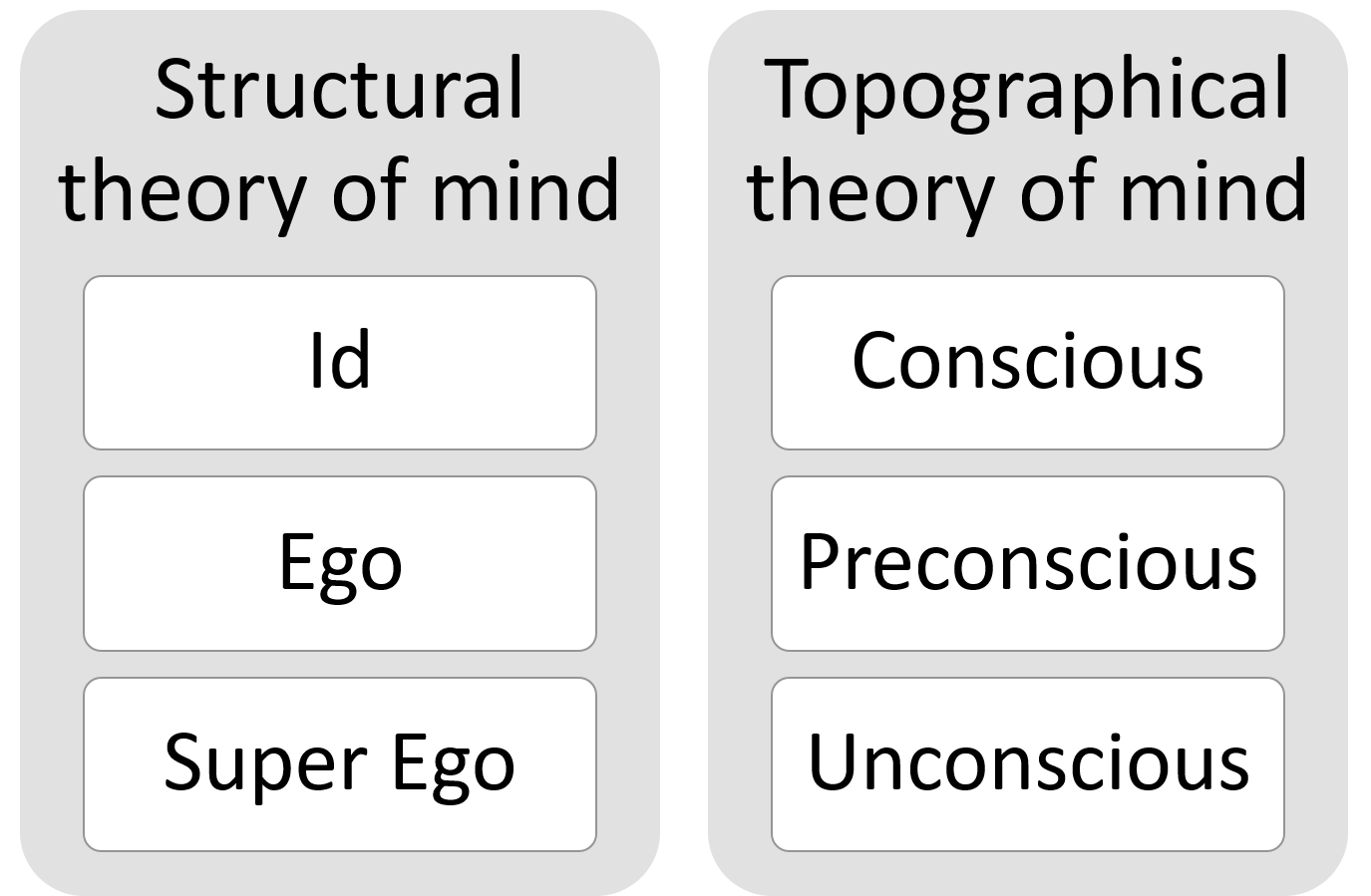
There are two important theories of mind:
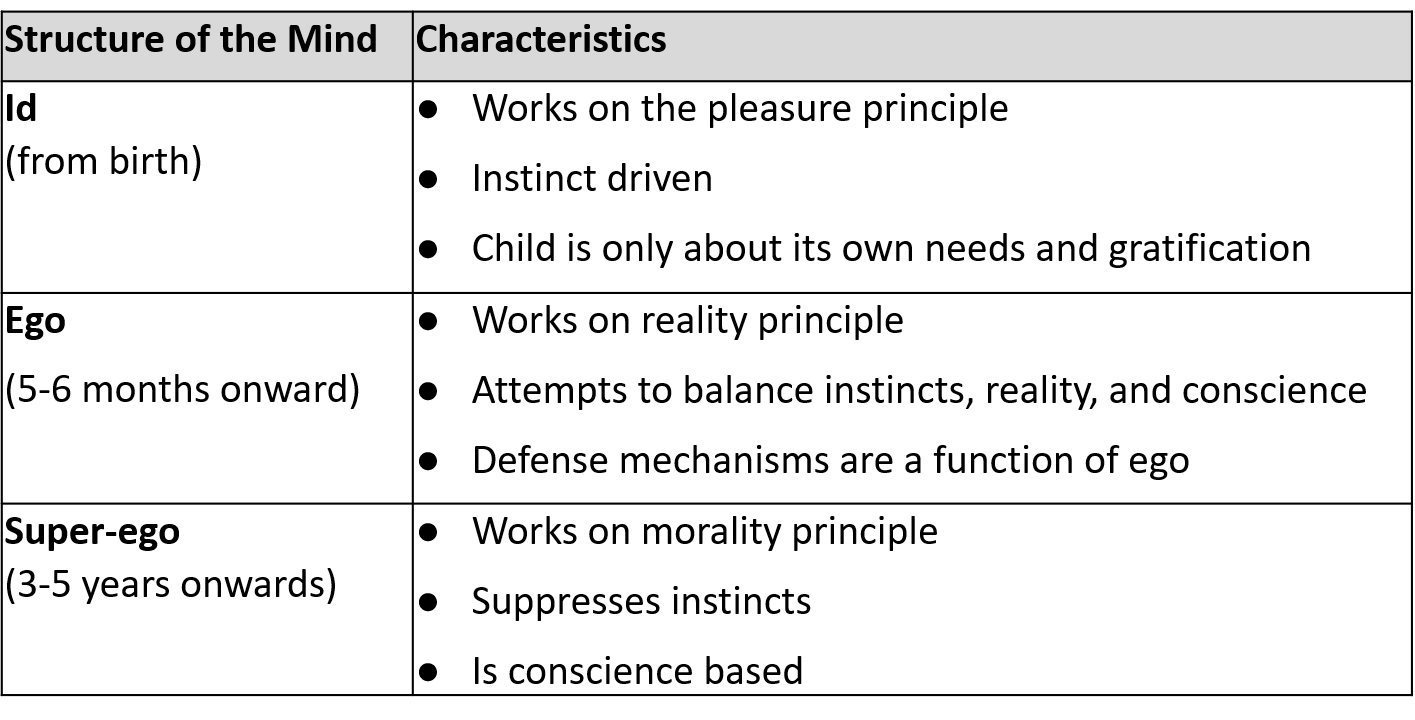
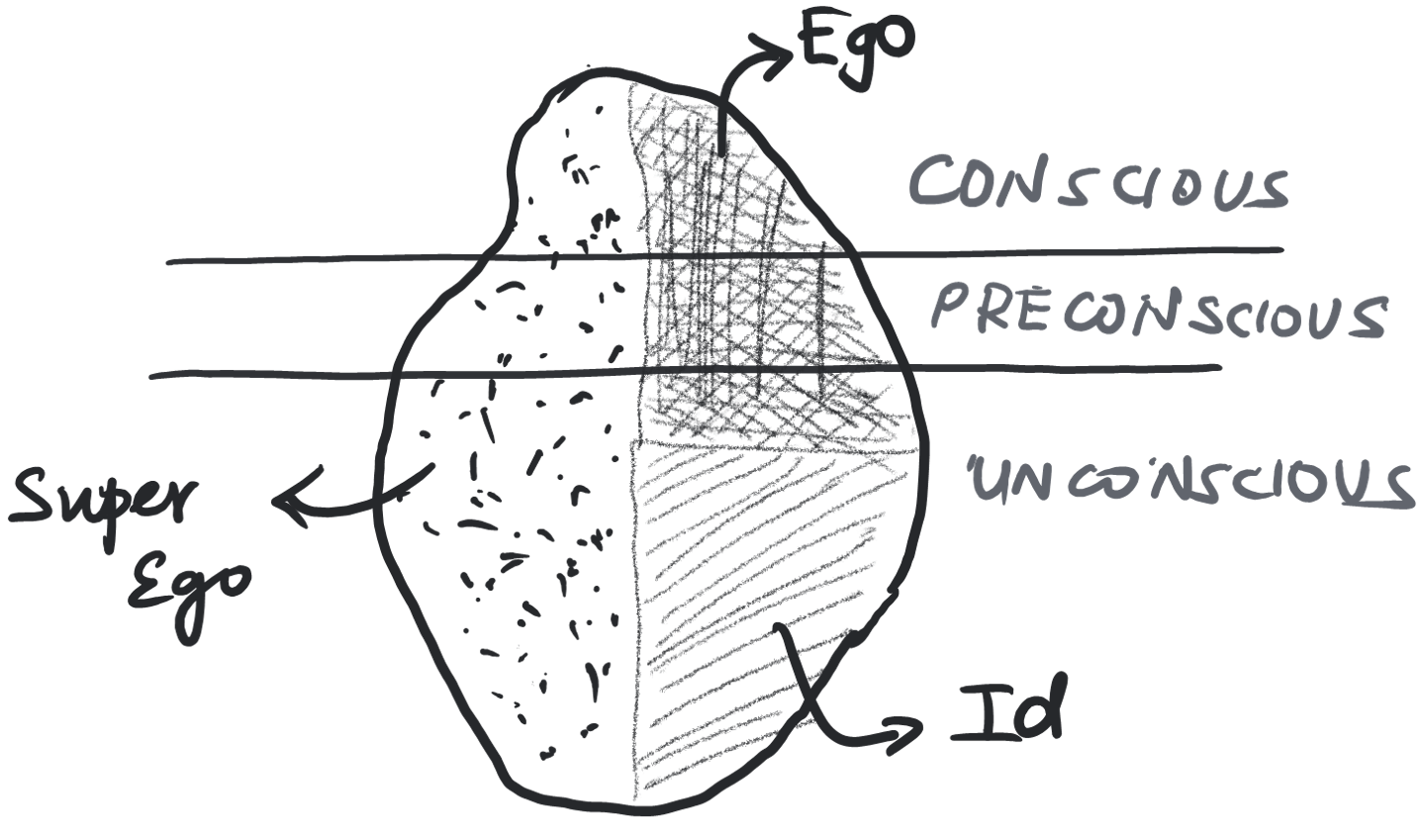
1. Structural theory of mind
2. Topographical theory of mind
Defence mechanisms
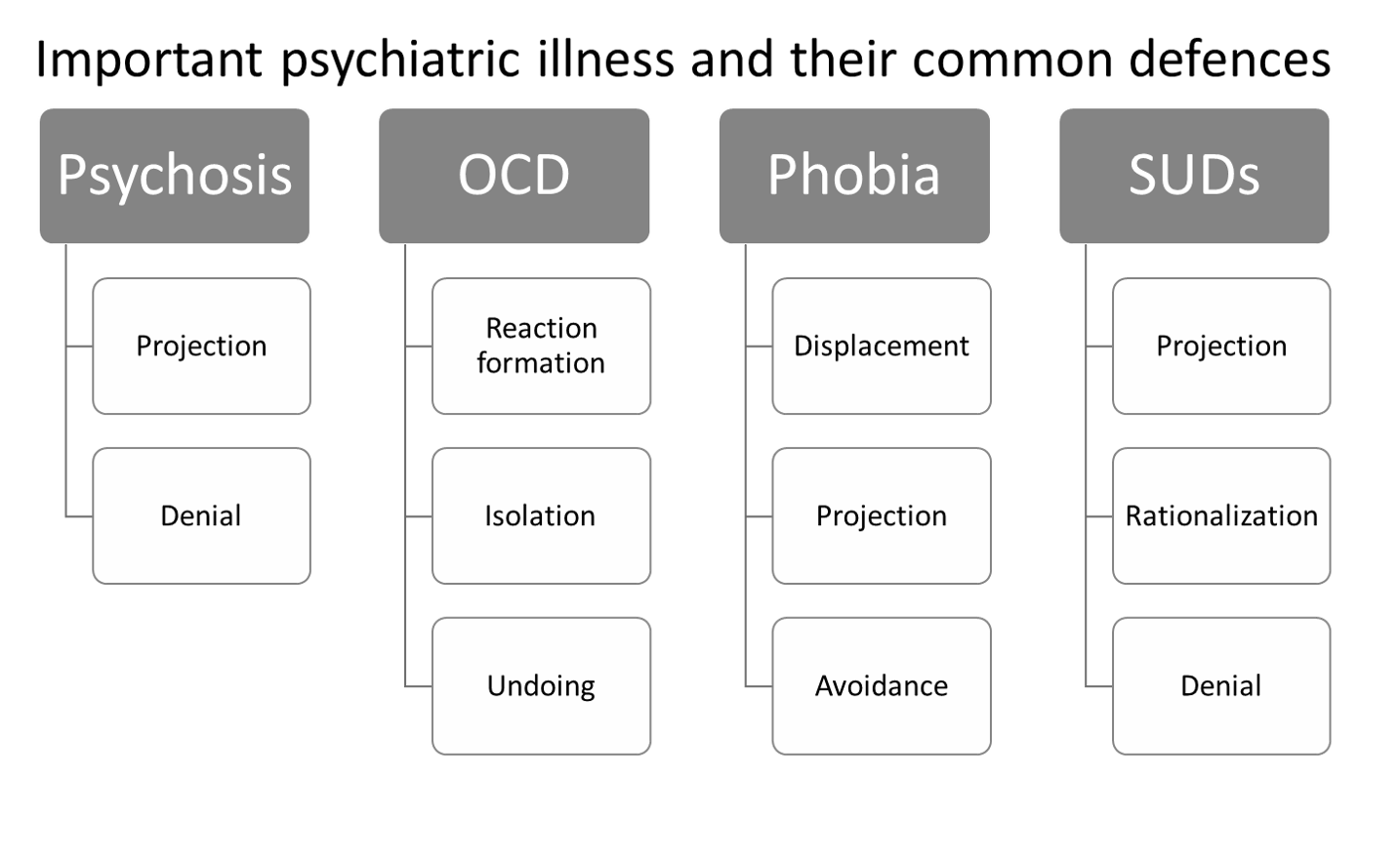
Defense mechanisms are a subconscious function of ego. These are the processes by which ones instincts, reality, and the super-ego are balanced to minimize the distress to self.
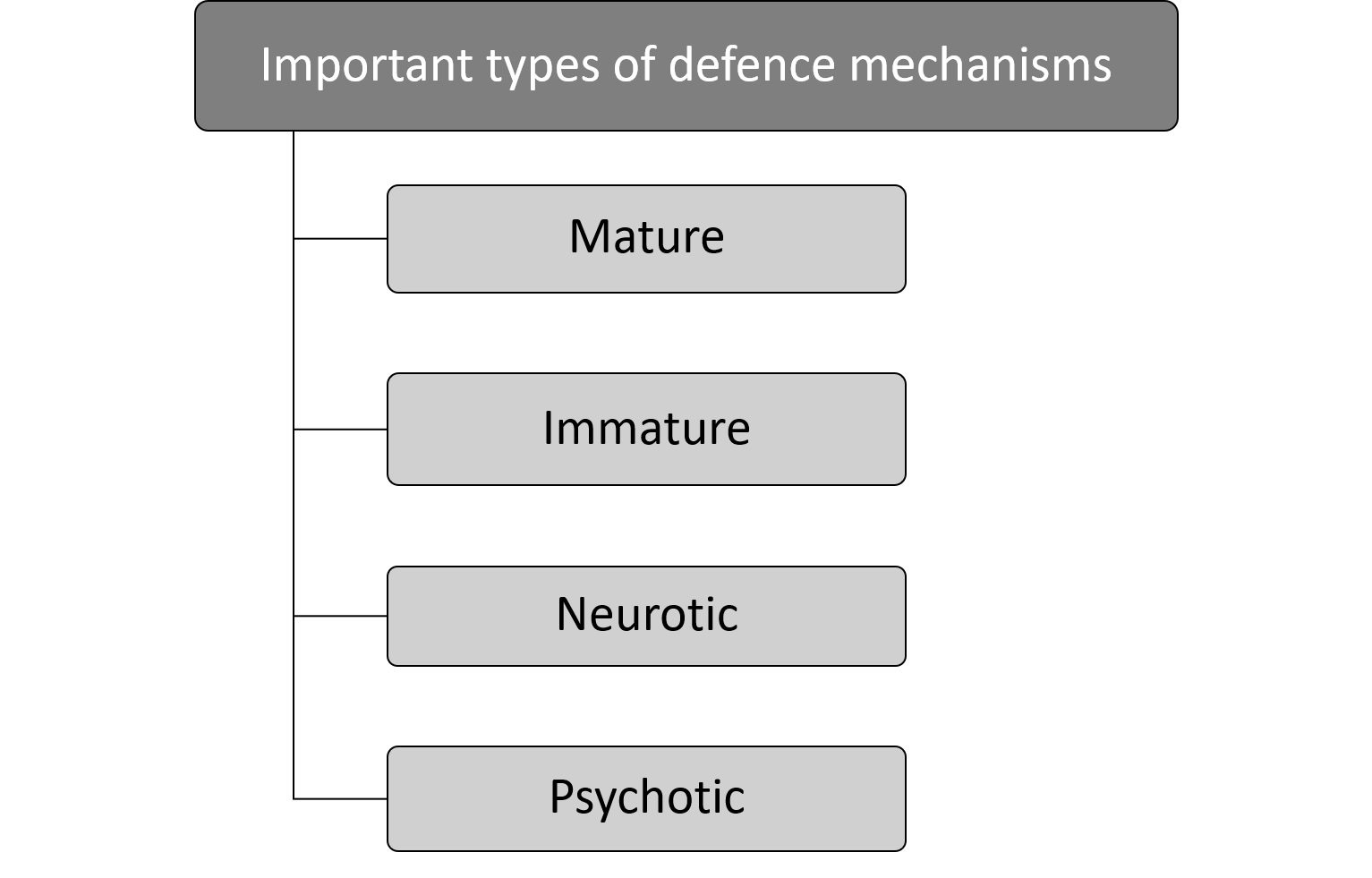
Important mature defence mechanisms are:
Humor
Anticipation
Altruism
Ascetism
Sublimation
Suppression
Important immature defence mechanisms are:
Regression
Somatization
Passive aggressive
Acting out
Important neurotic defence mechanisms are:
Displacement
Avoidance
Dissociation
Isolation
Important psychotic (narcissistic) defence mechanisms are:
Projection
Denial
Distortion
Splitting
Note:
Some of the defences are considered by different people under different types, so there shall never be complete consensus.
Dreams
Road to the unconscious mind:
- Hypnosis
- Slip of tongue
- Free association
- Dream interpretation
Dream involves two types of content:
1. Manifest content
2. Latent content
Latent content is the content used in dream analysis by the therapist. It is the content which is crypted and coded, needing someone to decipher it. Which is the process of dream analysis.
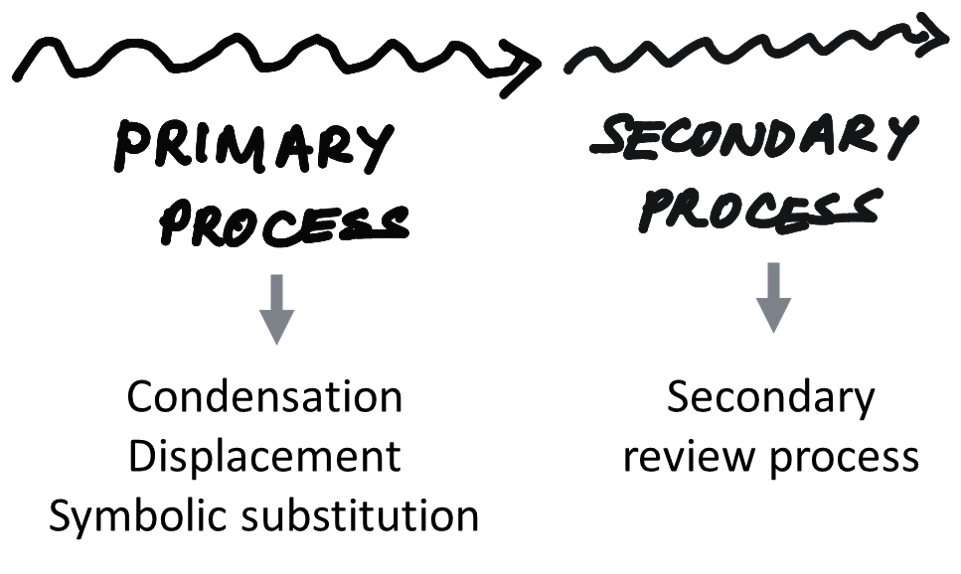
There are 4 important dream processes:
Check out this video on 'Sigmund Freud and Dreams' @ https://youtu.be/MYh9Yu5HaXg
Maslow's hierarchy of needs
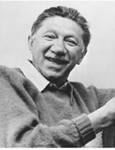
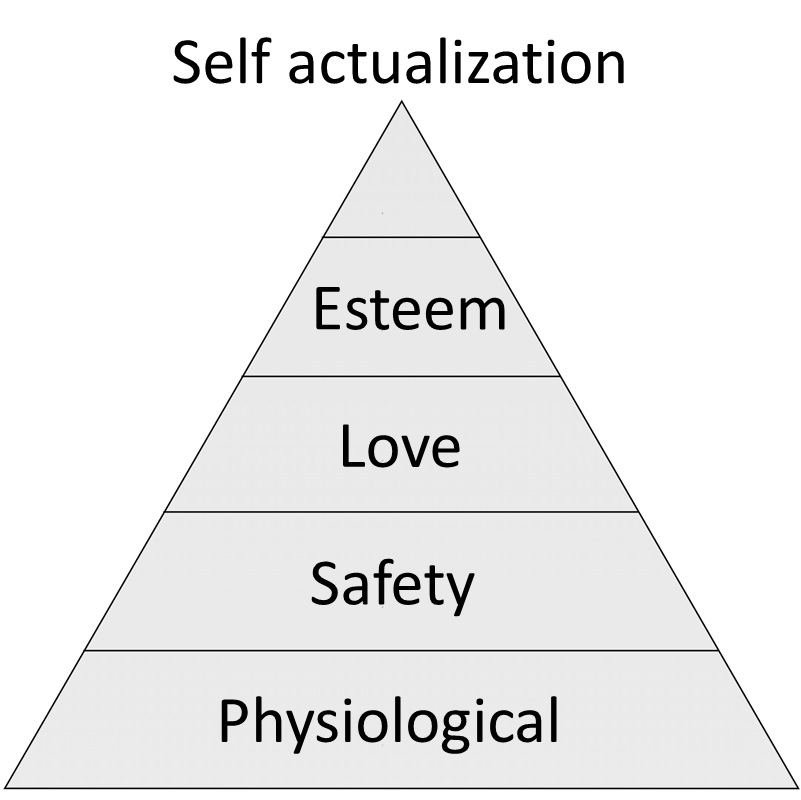
Abraham Maslow came up with the hierarchy of needs.
- Physiological needs (Food, air, water)
- Safety needs (Security)
- Love and belonging needs (Connect, intimacy and relationship)
- Esteem needs (Respect and recognition)
- Self actualization (Excel to one's potential)
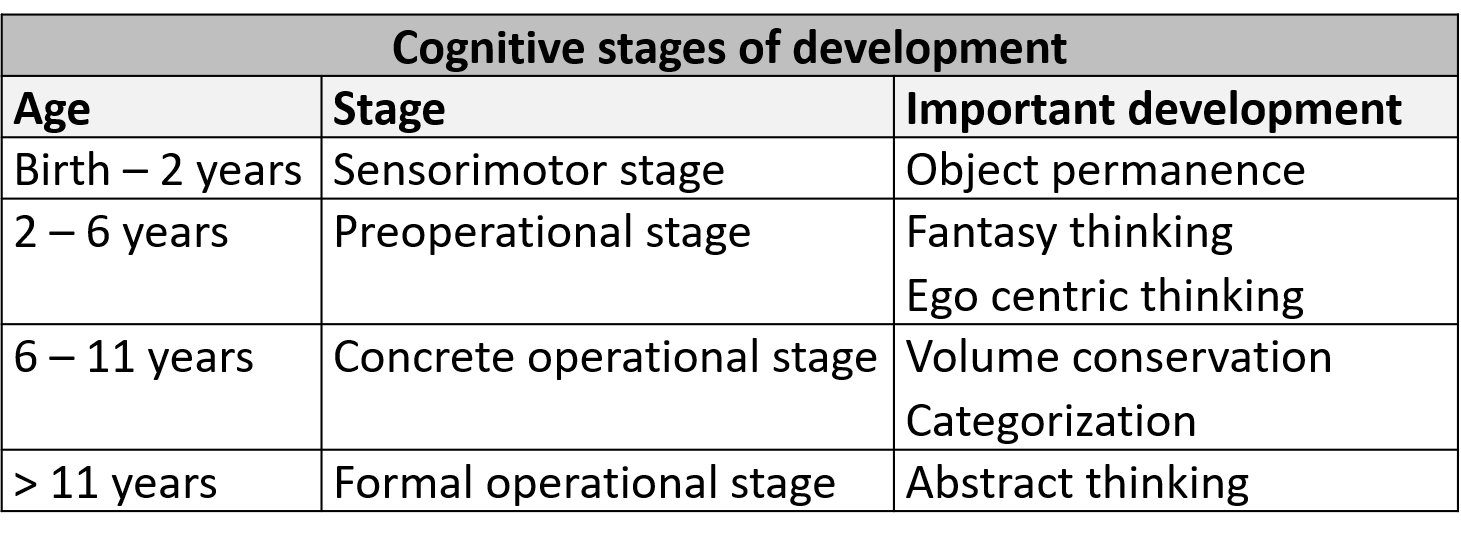
Jean Piaget's stages of cognitive development
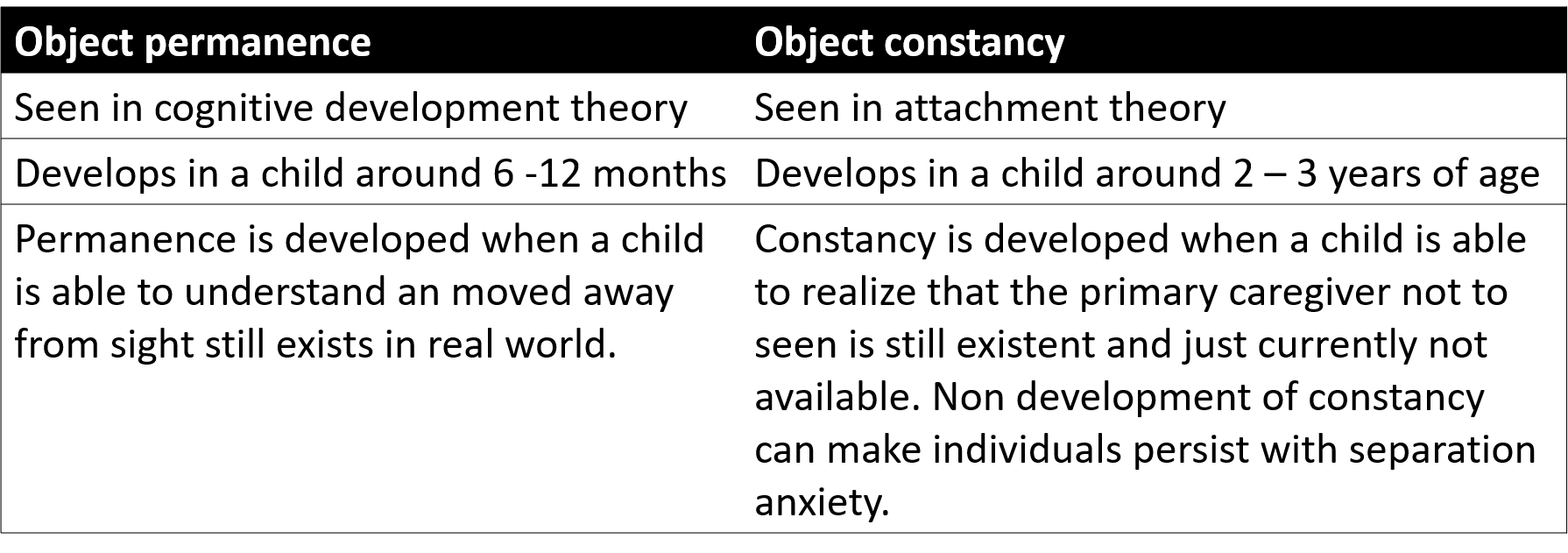
Object permanence vs. Object constancy:
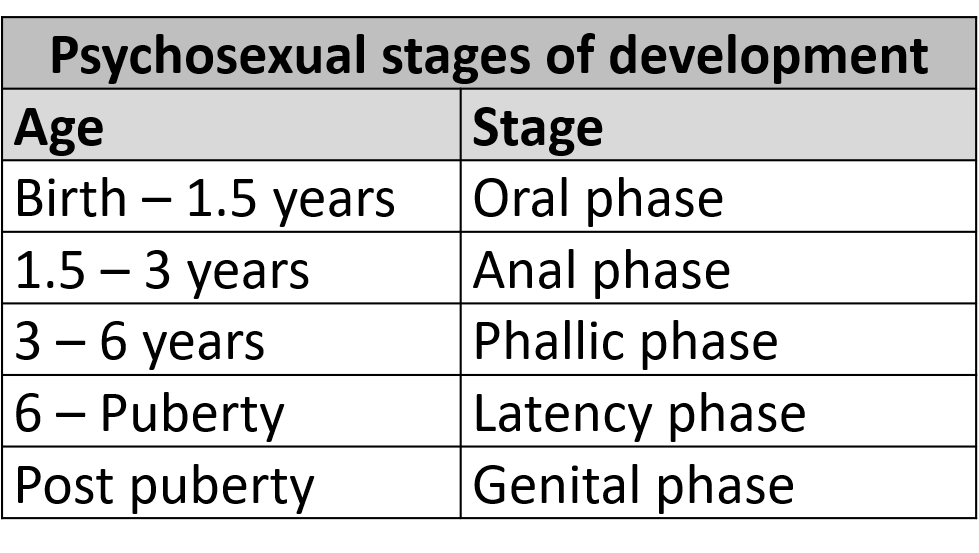
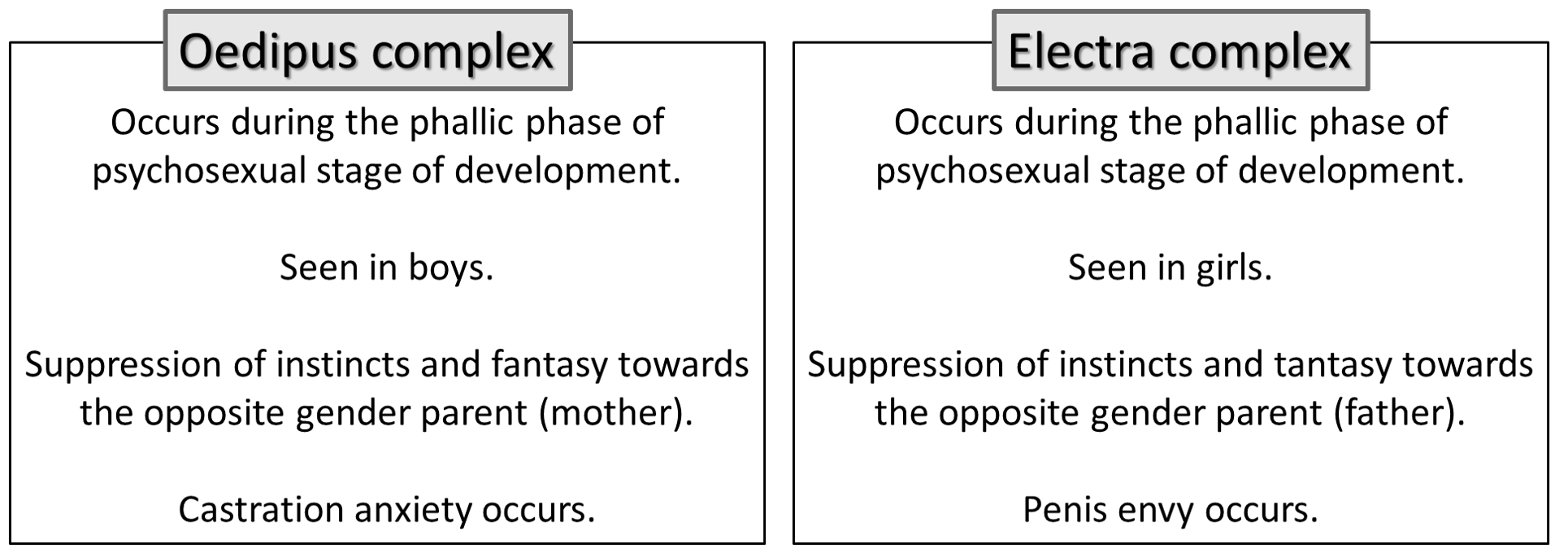
Freud's Psychosexual stages of development
Note:
Oral fixation is seen in addiction.
Anal fixation is seen in OCD.
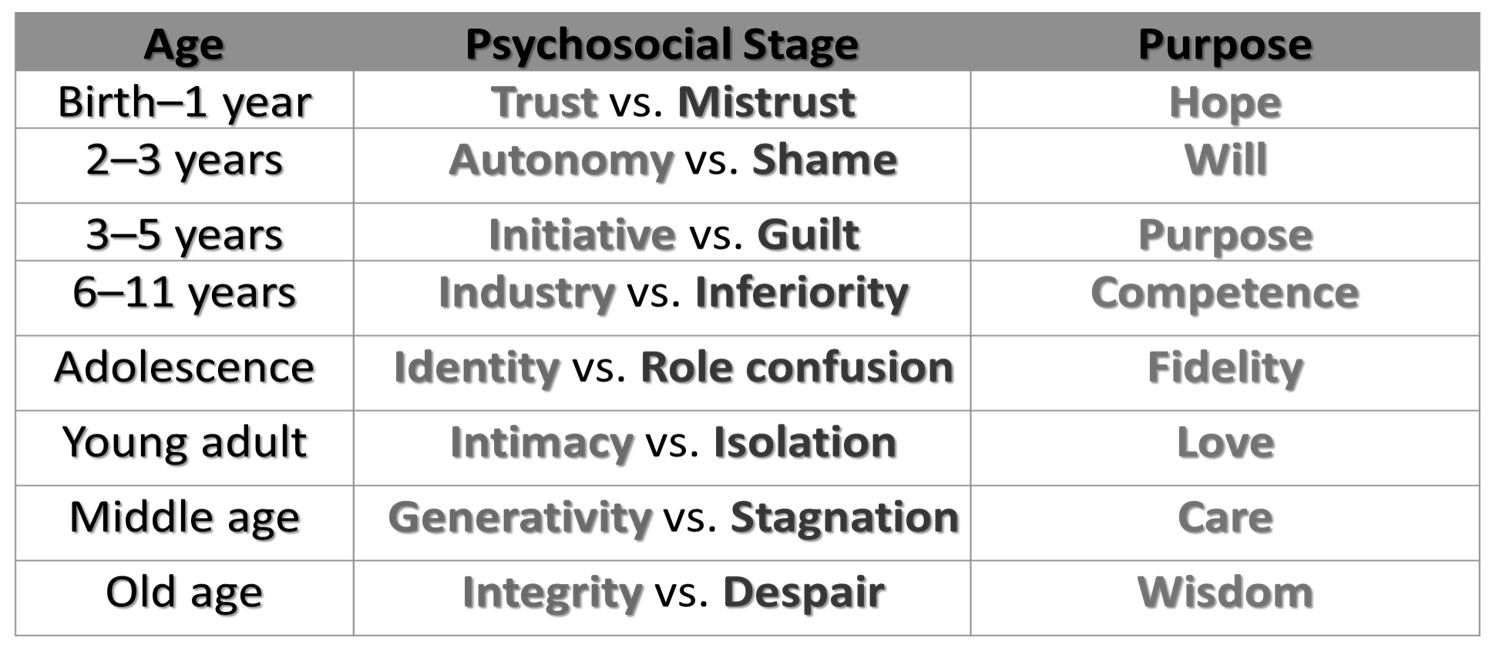
Erik Erikson's psychosocial stages of development
Conditioning and reinforcement
Classical conditioning:
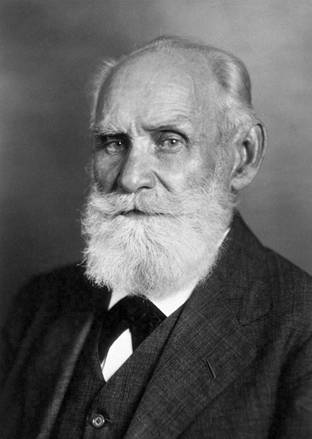
Described by Ian Pavlov. It is characterized by conditioning or learning that happens due to a pairing of unconditioned stimuli with a conditioned stimuli, to produce a conditioned response.
Example: A dog salivating the moment the care taker opens the door of the dog den.
Operant conditioning:
Described by B.F. Skinner. It is characterized by learning or conditioning which happens because of results from random acts.
Example: A rat in a cage over a period of random acts understands that the red button is aversive and produces shock, while the white button is helpful as it provides food to eat.
Reinforcement:
Reinforcement is the processes of using a reinforcer’ in order to increase the occurrence of a desired behavior. There are 2 types of reinforcement:
In positive reinforcement, the “reinforcer” is given or applied after the desired behavior has occurred, thereby increasing the further probability of occurrence of the desired behavior.
In negative reinforcement, the aversive environment or situation is maintained till the completion of desired behavior thereby increasing the probability of desired behavior
Example:
A child is allowed to watch cartoon channel for 30 minutes on successful completion of day’s homework is an example for positive reinforcement.
A child is asked to sit in a corner of a room till he completes the homework is an example for negative reinforcement.
Punishment: A painful or noxious or aversive stimulus given to reduce a particular behavior is called punishment. Ex: Mother canes her child for not having done the homework.
Premack Principle:
It is the linking of a high frequency desired behaviour (watching TV) in contingent to low frequency less desirable behaviour (finishing homework. (I am sure you all remember when your parent(s) would have told to finish your home work, then watch TV, that is Premacks principle in action!!! It is called as relativity theory of reinforcement).
Shaping is the process of taking small approximate steps to reach the ultimate goal.
Modelling is an observational learning, where they follow the same steps of their chosen model.
Attachment
4 important types of attachment are:
1. Anxious
2. Ambivalent
3. Disorganized
4. Secure
Object constancy is attained around 2-3 years of age.
Transitional object:
An item like doll, blanket, or other thing chosen and used by a child to ease the anxiety of separation from his or her primary caregiver.
Assessments
Important tools for IQ assessment:
- WAIS (Weschler's Adult Intelligence Scale)
- WISC (Weschler's Intelligence Scale for Children)
- Raven's Progressive Matrices
- Siguineform Board Test
- Bhatia's test for intelligence
- Binet Kamat Test for intelligence
Important tools for neuropsychological assessment:
- Bender Gestalt Test
- Luria Nebraska Battery
- Halstead Reitan Battery
- AIIMS neuropsychological battery
- NIMHANS neuropsychological battery
Important tools for personality assessment:
- 16 personality factor (16PF)
- Big Five Questionnaire
- Minnesota Multiphasic Personality Inventory (MMPI)
- International Personality Disorder Inventory (IPDE)
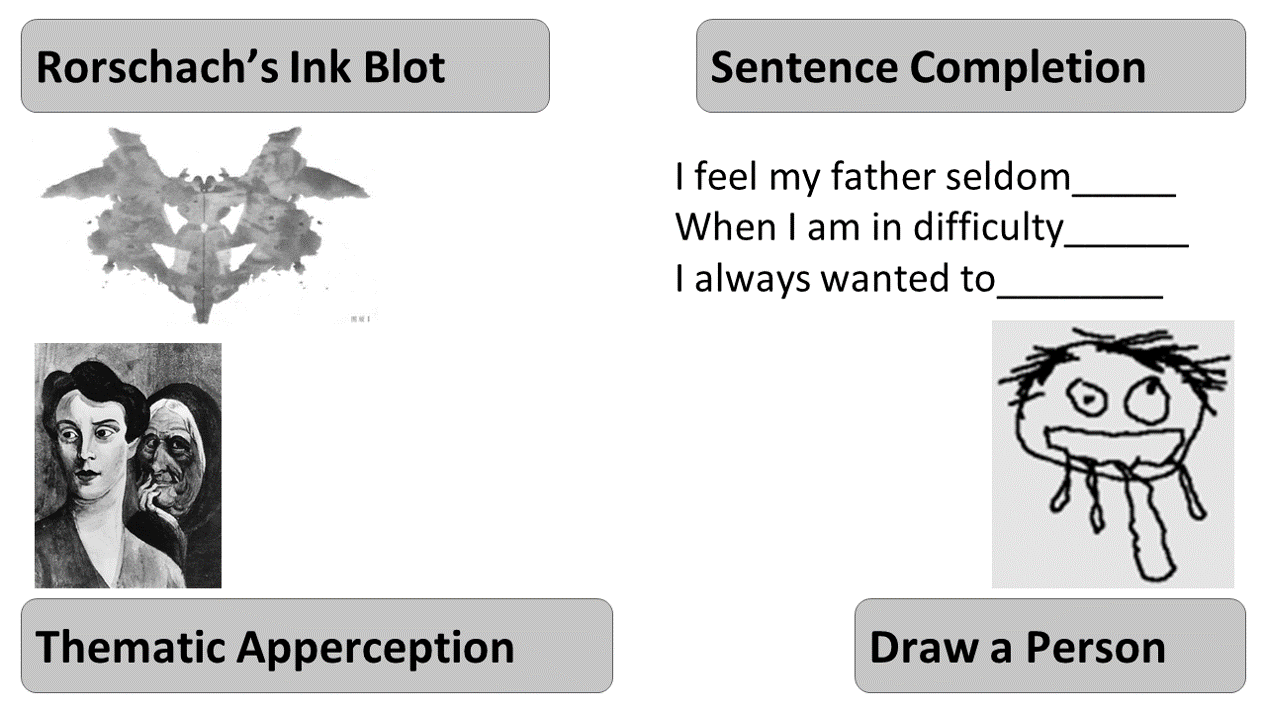
Important projective tests:
- Rorschach's ink blot test
- Sentence completion test
- thematic apperception test
- Draw a person test
Indian Disability Evaluation And Assessment Scale (IDEAS):
It is test useful to assess disabilities of various common psychiatric illness. It was developed by the Rehabilitation committee of the Indian Psychiatric Society.
IDEAS assesses 5 important aspects to quantify the disability:
1. Duration of the illness
2. Work functioning
3. Interpersonal activities
4. Self care
5. Communication and understanding